

Starting in commercial trucking often begins with choosing between a semi-truck and a box truck. Both move freight, but they serve different routes, load types, and operating models. The right fit depends on payload needs, typical delivery distance, licensing requirements, and total cost of ownership. This guide breaks down the key differences between semi-trucks and box trucks so you can choose the option that best supports your business goals.
Understanding Semi-Trucks and Their Uses
A semi-truck, sometimes called a tractor-trailer, is a heavy-duty rig that consists of a tractor unit (the front component) that pulls one or more trailers. These are built for long-haul transportation and can carry extremely large, heavy loads, sometimes over 80,000 pounds when they’re fully loaded. They’re commonly used for cross-country freight shipments, as well as hauling specialized goods like refrigerated items and hazardous materials. Because of their sheer size, you’re required to have a Commercial Driver’s License (CDL) to operate one.
Understanding Box Trucks and Their Uses
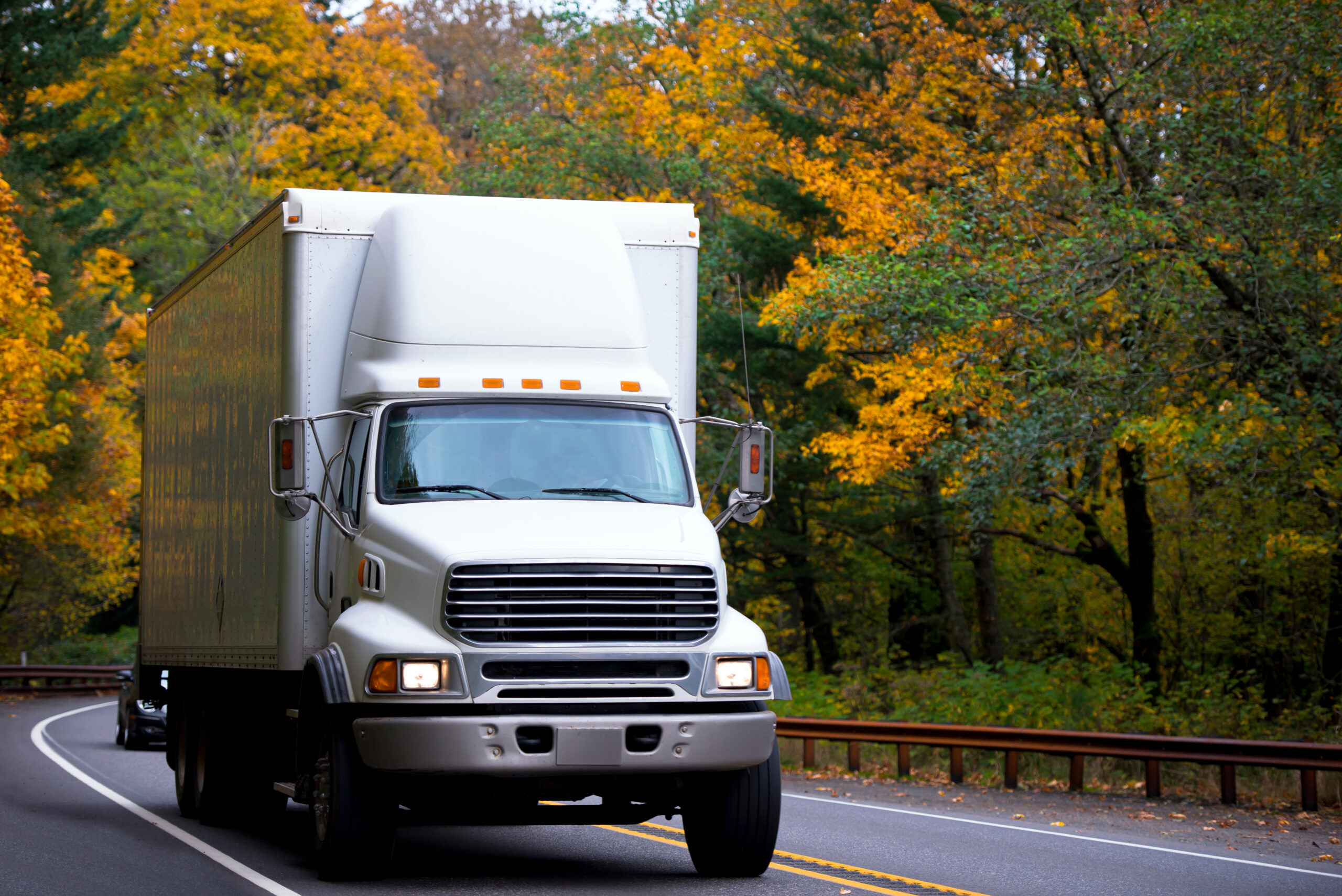
A box truck is also sometimes referred to as a straight truck, and features a single, enclosed cargo area that’s directly attached to the driver’s cab. Unlike a semi, it doesn’t have a detachable trailer and can’t be used to connect to any such hauling devices. They’re generally smaller and easier to maneuver, making them better for local deliveries and driving in urban environments. They’re often used by moving companies, furniture delivery services, last-mile deliveries, and local distributors. Depending on the truck’s weight, some can even be operated without a CDL, making them more accessible to small-business owners and new commercial drivers.
Key Differences to Consider
Choosing the right truck to launch you into the commercial trucking industry depends heavily on understanding the major differences between the two. Here are a few important differences you need to keep in mind when making this decision:
- Size and Capacity: Semi-trucks offer much higher hauling capacity, so they’re best for large-scale operations. Box trucks, because they’re much more limited in size, are better for smaller loads and shorter driving distances.
- Maneuverability: Box trucks are easier to drive in tight loading docks, on city streets, in crowded urban areas, and residential neighborhoods. Semi-trucks require more skill to operate, especially when turning, backing, or getting through more congested areas.
- Licensing and Regulations: Driving a semi-truck always requires a CDL, and compliance with strict regulations. Box trucks, however, can sometimes fall under CDL weight requirements, making it easier to hire and train drivers.
Determining What You Need
The best truck for your first step into commercial driving depends on how you plan to operate. Long-distance hauling and higher freight volumes often point to a semi-truck. Local and regional deliveries may align better with finding used box trucks for sale, especially when payload needs and operating costs are more modest. To narrow the choice, map your routes, typical loads, location considerations, and budget, then compare the total cost of ownership before making a purchase.